- Parc de l'Alliance, Avenue du Japon 1 1420 Braine l'Alleud
- 02 386 03 00
- leads@webforce.be

Exploring the psychology behind casino gambling behavior
De geheimen van winnende strategieën in casino’s onthullen
février 22, 2026Winning strategies for maximizing your casino experience
février 22, 2026The Allure of Casino Environments
Casino environments are meticulously designed to entice and engage players, drawing them into a world of excitement and potential rewards. The bright lights, vivid colors, and appealing sounds create a sensory experience that stimulates the brain’s reward pathways. This environment fosters a sense of euphoria that encourages players to immerse themselves in games, often leading to prolonged gambling sessions, especially for those exploring crypto betting sites.
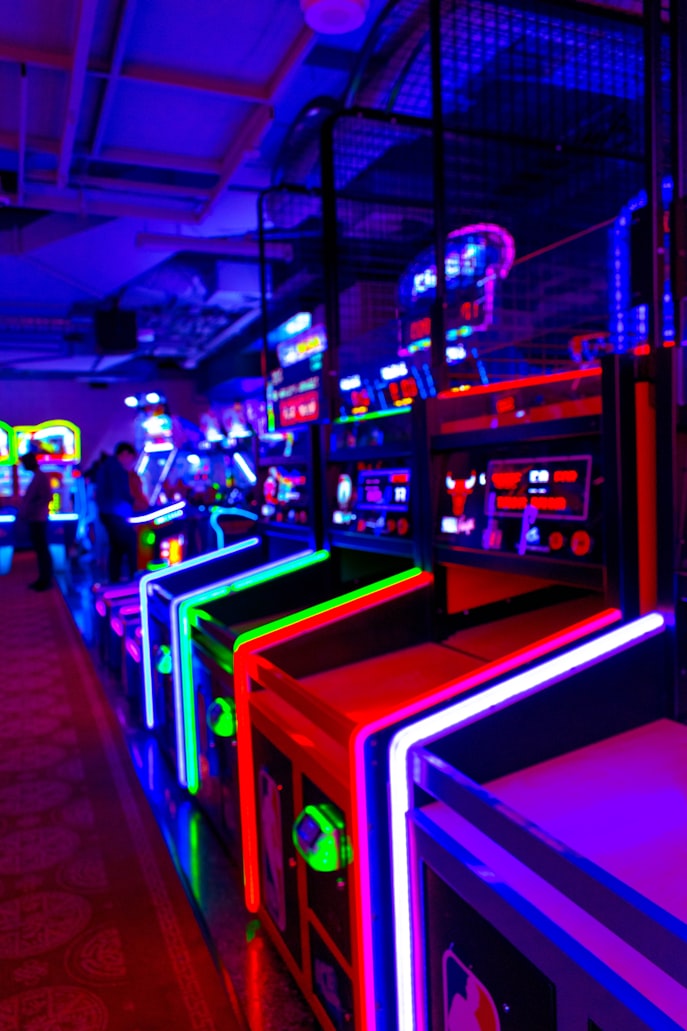
Moreover, the absence of clocks and windows in many casinos creates a disorienting effect, making it difficult for players to gauge the passage of time. This intentional design element may lead individuals to lose track of their gambling habits, increasing both their time spent and money wagered. The dazzling atmosphere is not just for entertainment; it plays a crucial role in the psychology of gambling behavior.
The Thrill of Risk and Reward
The thrill associated with gambling is primarily tied to the concept of risk and reward. Players often experience a rush of adrenaline when they place bets, as the potential for significant wins can trigger intense emotions. This physiological arousal heightens their focus and makes each play feel exhilarating, reinforcing the behavior even further.
Additionally, the variable ratio reinforcement schedule, common in slot machines and other games, can lead to what psychologists call a “gambling addiction.” Players receive rewards unpredictably, creating a cycle of anticipation and excitement. Each win reinforces the desire to continue playing, despite the chances of loss, which is a key factor in understanding gambling behavior.
Several psychological triggers contribute to why individuals gamble. One factor is the illusion of control, where players believe they can influence the outcome of a game, especially in games of skill such as poker. This belief can lead to increased engagement, as players feel empowered and motivated to continue playing.
Another psychological aspect is the concept of « chasing losses, » where players attempt to recover funds lost by placing larger bets. This behavior often leads to greater financial losses, but the relentless pursuit of a win can cloud judgment and rational thinking, making it a compelling area of study in gambling psychology.
The Role of Social Influences
Social factors also play a significant role in gambling behavior. Many individuals are drawn to casinos because of social interaction, whether it’s bonding with friends or enjoying a sense of community with fellow gamblers. This social dynamic can enhance the enjoyment of gambling and create a more immersive experience.
Peer pressure and the desire to fit in can also drive individuals to gamble, as they may feel compelled to participate in group activities or celebrations. These social influences can impact the frequency and extent of gambling, highlighting the importance of understanding the broader context within which betting behaviors occur.

Discovering More About Gambling Psychology
The exploration of casino gambling behavior offers valuable insights into human psychology, revealing the complexities of decision-making and risk management. Understanding these concepts can empower individuals to make informed choices regarding gambling, potentially mitigating negative consequences.
For those seeking deeper knowledge, this website provides a wealth of resources aimed at enhancing the understanding of gambling behaviors and their psychological underpinnings. By prioritizing user engagement, we strive to deliver valuable information that assists individuals in navigating the exciting yet complex world of casinos.
